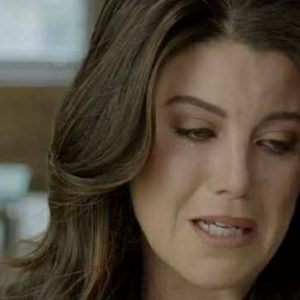
The silence in the studio didn’t feel normal—it felt final. No jokes, no chatter, just tight expressions and restless glances as Jenna Bush Hager stepped into the spotlight. Rumors had already begun to swirl—meltdown, suspension, walk-off—but what unfolded wasn’t any of those things. It was something far more controlled. More deliberate. A quiet turning point no one had prepared for.
She didn’t shout. She didn’t storm away. Instead, she did something far more unsettling—she stopped playing along. The performance that audiences had grown used to simply… ended. And in its place stood a version of her that felt unfiltered, steady, and unmistakably real.
Looking directly into the camera, she admitted something few in her position ever say out loud. The warmth, the ease, the effortless charm people loved—it wasn’t always natural. Sometimes, it was protection. A shield built after long nights of overthinking every word, questioning every reaction, wondering if she had said too much—or not enough.
She spoke about the invisible pressure to remain likable. To stay safe, agreeable, grateful. The kind of pressure that doesn’t shout, but slowly tightens until it feels impossible to breathe. And in that moment, she made it clear—that pressure had started to feel like a cage.
Then came the shift. Calm but undeniable. She declared that version of herself—the edited, careful one—was no longer sustainable. Not because of anger, but because of responsibility. To her audience. To her children. To anyone who had ever been told to shrink themselves to fit someone else’s expectations.
It wasn’t dramatic. It wasn’t loud. But it was powerful. What looked like a breaking point was actually a boundary. Not a meltdown—but a quiet, unmistakable revolution unfolding in real time.