The trial involving “Kouri R.” has sparked intense debate over the ethics of prosecutorial strategy and the credibility of cooperating witnesses within the justice system. Central to the controversy is the appearance of a former drug dealer whose legal troubles were reportedly reduced or dismissed shortly before providing testimony for the prosecution. Critics argue that this sequence of events raises serious concerns about fairness, transparency, and the potential influence of incentives on witness credibility.
Defense attorneys claim the arrangement reflects a broader problem in modern legal systems, where negotiated testimony can blur the line between truth-seeking and strategic case-building. According to this perspective, a witness who benefits directly from cooperation may feel pressure to deliver statements that strengthen the prosecution’s narrative, regardless of accuracy. Supporters of the prosecution, however, may argue that plea agreements and immunity deals are long-established legal tools used to secure testimony in difficult or complex cases.
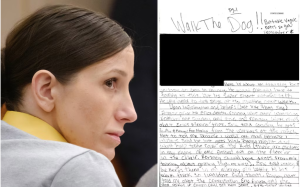
The case has also fueled wider discussion about public trust in judicial institutions. Observers point to the increasing role of media narratives, leaked digital evidence, and carefully managed public messaging in shaping perceptions before verdicts are reached. Critics warn that such dynamics can create an atmosphere where guilt appears predetermined, potentially influencing both public opinion and courtroom proceedings.
Ultimately, the controversy highlights a fundamental tension within the justice system: balancing effective prosecution with the preservation of due process and ethical standards. Whether the witness agreement represents legitimate legal practice or an abuse of prosecutorial discretion remains a matter for the courts, legal analysts, and public scrutiny.